Lambda Literary Emerging Writer’s Workshop, Day 5
 We’ve read through all of the fiction writers’ pieces and handed back critiques, treating each work and editorial process seriously and concentrating like whoa on giving good specific feedback. After five days I feel raw and exhausted, but good. It’s like whittling deadwood, sloughing off the bits I don’t need (I’m looking at you, insecurity and bad literary habits). Now I can focus my attention on word choice, craft, storytelling, and because Chip has hammered it into me, description. It may very well be that every story I write for the next few years, I will write for his eye and ear and sense of prose.
Samuel Delany refers a lot to Flaubert, and Balzac, and Walter Pater. He considers his words, and speaks in the most delightful cyclical cadence that keeps me fascinated with whatever next word is going to come out of his mouth. I’ve been cobbling a list of his reading recommendations, which may only make sense in context of giving feedback to us, and which is based in part on the kinds of stories we’ve been writing, but which is still a great stand-alone list. Here are some of his reference points: Read More…
 Life this winter and spring has been less about balance and more about fulcrums. You know, like when you’re moving up and down a lot but not getting anywhere. At least a roller coaster has forward momentum and a few thrills along the way. A seesaw just lifts up and crashes down with a jolt at the end of each direction. Nearly all of the endeavors I’ve made since last fall have come with commensurate concussions. Case manager is leaving for a full-time job. Hire new case manager. Send in manuscript to potential agent and wait. . . finally getting rejected by potential agent (but in the nicest way possible). Move office to other side of town, deal with people yelling on the phone that the office has moved. Start new manuscript, get sidelined by a different project. Apply to literary contest, fail to make the finals. Apply to writer’s workshop with no hope of getting accepted.
 I first jumped back in time on September 21, 1980, just a few weeks into high school, but nothing about how that day started was odd in any way. It’s not like the sun popped out of the sky and said, “Hey Jack, how about if you take a trip to a completely different era where nothing makes any sense to you?”
 If only writing were just about writing. If only the time we could dedicate to delicious production would fall into our laps and procreate making oodles of more writing time that we could carry around like a jar of marbles. But barriers to our own prolificacy are real, and grotesque, and numerous. They’re sneaky buggers, shutting us down even when we’ve established a groove, or are in mad love with our story, or if this is the only day of the week where we can carve a new canal into the manuscript. There be monsters here, in the world, with the best of intentions of a writer’s project their preferred fare. To defend oneself I have cobbled a list of such wickedness in the hopes that we all can identify them more quickly and banish them back to their lairs.
 National Novel Writing Month is upon us, and whether or not we’re keeping up with our word count, we probably keep hearing the advice to put all edits aside and just lay down the first draft. This is good advice, because 50,000 words is impossible to achieve if the writer is focusing on perfecting the first 2,500. And yet people may not know what we mean by revisions or edits. How will we know when to start editing? More importantly, how will we know when to stop?
 A writer friend of mine sent a question to me, suggesting I should have a column. So let’s pretend I have an advice column for writers. Feel free to add your own advice in the comments! Here’s our exchange: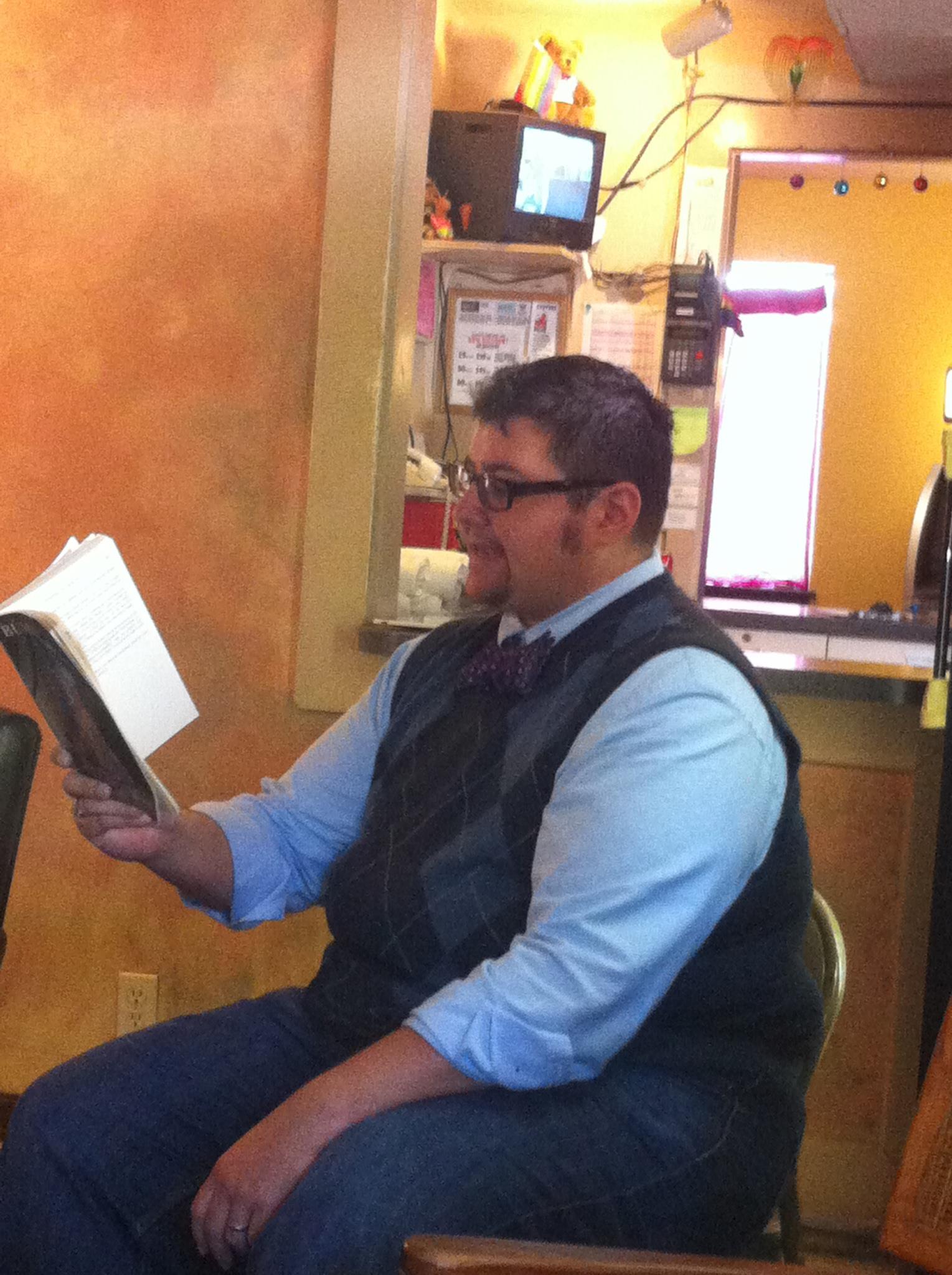


 Trans/plant/portation