Bumbling in my own voice again: chapter 28 podcast
This is a section of my memoir from chapter 28. It runs about 20 minutes long. If you like zombies and gross anatomy, this chapter is for you.
This is a section of my memoir from chapter 28. It runs about 20 minutes long. If you like zombies and gross anatomy, this chapter is for you.
Here’s a little bit from my work-in-progress, SuperQueers, which I swear I’ll finish by this fall, even though I keep changing things up plot- and character-wise. I’m hoping to have it sit a little on the shorter end, somewhere around 70,000-75,000 words, so it’s a quick read. Without giving much away about the plot, let’s just say that an offhand wish this protagonist had has come true when she wakes up the next day. It’s not actually something she’s happy to have afflict her. Feel free to offer feedback on the writing, or not, but genuinely mean people’s comments won’t be admitted into the conversation (you know who you are).
Jess typically woke up four to six minutes before her alarm went off each morning. She was proud that her body was a regular, coordinated event, that it followed her wishes and bent to her will, even causing her to rise before the safety net of electronics kicked in.
Today, however, she slept through the alarm. She opened her eyes and saw that it had been buzzing for 20 minutes.
I’m so tired, she thought. She rolled over, groaning, wanting to go back to sleep. Ah, but it was Sunday, and she had a whole host of things to accomplish: clean the kitchen, dye her hair, reorganize the linen closet, and finish the literature review she’d begun last week. Maybe she could even get up the nerve to go to the office next week.
She sat up, slowly, because the room was tilted off to the left. Possibilities of why this was occurring flashed through her mind—she’d had an aneurism, a small stroke, or she was developing some kind of inner ear infection. If it didn’t go away in the next few minutes, she would have to call Dr. Rogers’ office, and he was convinced she was always coming up with psychosomatic illnesses. Jess knew she needed to find a new doctor who didn’t think she was crazy.
It was passing. Everything straightened out a bit. She moved her legs over to the floor and stood up carefully. Still fine. She should be okay for her shower.
She didn’t notice it at first—she was soapy with Antibacterial Dial liquid soap, which was the first phase of her showering routine—but as she was rinsing off, she couldn’t miss it. There were little bits of some sludge-like substance on her fingertips, the print side. She stared at her hands, the water running down her back. It couldn’t be dirt, not after washing as she did. What was it? She looked more closely at her left index finger. It was a viscous substance, shiny but sticky at the same time, and it seemed to be extruding out from between the ridges of her fingerprint. Jess didn’t want to, but she sniffed it. Almost instantly, she screamed and pushed her hand as far away as possible because launching it off her body like a missile wasn’t possible.
It smelled like shit. Actual shit. Bacteria-laden, disgusting, repulsive, stinky, canine excrement. And as she tried to wrap her brain around how such a thing would wind up on all of her fingertips, she was also wondering what it would take to clean herself of this, short of cutting of her own skin.
She scrubbed her hands with more antibacterial liquid, until her skin was absolutely raw. But each time she cleaned off, more oozed out of her skin like blood from an open scrape. It started slowly and almost imperceptibly gathered form. She couldn’t wash anymore. She sat down in the tub as the water gradually got cooler, sobbing over her predicament. And then she noticed that the substance stopped flowing, or whatever it had been doing. She let the water run over her hands and then she dared to look at herself one last time. Her fingers were bare of it.
And then the strangest thought entered her mind, seemingly from nowhere: I could control this, too.
* * *
Jess walked to and from her front door exactly 17 times. Prime numbers were strong, with few fissures that could be exploited to break them down. Seventeen was a good number. Seventeen was the number of the apartment she lived in, and it helped make her feel like the very door could withstand an assault, which of course, was necessary for someone who saw it as the boundary between her level of care and the disaster of the rest of the world.
This grand hope of hers had the unseen effect of creating animosity between the door, which had been fashioned in the mid-1930s along with the others for this building, and which was thus no more or less strong than any of the others, and the small brass numbers 1 and 7, which over the years of housing Jess, had come to believe in their own imperviousness. The door was embarrassed by their bravado, and knew that all of the other doors considered it ridiculous and more than a little pathetic for getting stuck with two obviously stupid brass numbers. But door 18 noted bitterly that it was the only one who actually was placed in view of door number 17, so it was the only one who had to put up with their incessant posturing.
But now things were different for Jess, although she wasn’t sure how or why. The very air smelled strange, as if the dog crap had infected the local atmosphere. It was cloying, as was the scent of the anti-bacterial soap. How had she used the stuff so constantly without noticing that it had infused itself everywhere, on everything? It seemed to her, this morning and not yesterday nor any of the other before it, that she had settled for a false cleanliness.
She looked at the door for she wasn’t sure how long. She reached out with one hand, which held an anti-bacterial tissue. The knob was cool, slippery under the cotton-paper fibers. She grabbed a strong hold of it, and turned. It didn’t pull forward because in her intense focus on opening the door, she’d forgotten to unbolt all of the locks, and there were several. One by one she twisted, pulled, unlatched, and slid the devices open, breathing deeply before taking hold of the doorknob again.
It was open to the hallway. There was no reason for this sudden turn of events—no deliveryman, no emergency, and no masculine policewoman inquiring about a strange break-in. She put one foot onto the obviously unclean hallway carpet, then the other. She turned and closed the door behind her, and slid her key into the lock, her hands shaking a little. Jess stared at the door from this other side, a side to which she hadn’t given much prior consideration. The counting started, an automatic reflex, but she stopped at six.
“You’re just a number,” she said to the brass markers, who immediately became overwhelmed with grief, and then, shame at having taken her at her word all these years that they had a secret strength.
Jess turned and walked slowly down the hall to the stairs, deaf to the sounds of the other doors, laughing as only doors can.
 There is nothing that fazes the Seattle barista. She is self-assured, extremely well trained, and fearless. Every possible additive, custom request, and black market good has probably been mixed into brewed coffee in this city. I bet I could even find a barista to take my order in Klingon. (Not that I know Klingon.)
There are as many kinds of coffee shops in Seattle as there are permutations of coffee drinks. The sit and work shop, with loads of sturdy tables and electrical outlets. The drive-through shacks that look ready to fall over. Fancy, plush shops with comfortable seating but few places to hook up a laptop. Evil shops that make patrons pay for the wifi. Well, we all know I don’t spend any time at those.
If coffee shops are the standard bearer for commercial space in Seattle, then there are a few set uniforms one wears within their confines. The options, it appears to me, at least in my first month here, include:
The Very Serious Not Happy Rather Intense Intellectual—Ninety percent of these folks are men, because women have difficulty becoming quite this pretentious. Black hooded sweatshirt, rumpled jeans that, if one were to venture close enough, would smell of the carpet from the wearer’s bedroom, and black sneakers. At the height of summer the footwear could be flip flops, but only because the sneakers couldn’t be found under yesterday’s jeans. Optionally this person may be wearing thick black glasses, retro styled. It is questionable whether his eyesight warrants correction, however. But be quiet around him, because he’s writing something very important, and he doesn’t want his craft interrupted.
 The Hat-Wearer—Also mostly of the male persuasion. We’re not talking baseball caps, either, since those are so omnipresent as to be unremarkable in every way. We’re talking either the old man’s wool cap like the one here, or the plaid Fedora hat, like the kind popularized by Jason Mraz. They’re definite statement-makers. Nobody puts on either of these head toppers without giving a good stare at themselves in the mirror before leaving home. Should it be cocked a little to one side? Tilted back? Pulled down low? Hmm, so many options to consider for one item. They’re clearly just accessories, as neither does anything to say, keep one’s ears warm in the winter.
The tech geeks—They have walked so far from their office, maybe even three-quarters of a block. They shield themselves from the bright lamp in the sky the rest of us know as the sun. They keep their work badges clipped tightly to their clothing, lest some non-techie refuse them reentry into their natural environment. These are the folks from Yahoo! or Amazon or Microsoft who felt some need to get caffeine from some place other than the 14 Starbucks in their office building. Nevertheless, all they talk about out in the real world is work. Fortunately for the rest of us in the coffee house, they never stay long. Their badges may self-destruct if they’re too far away from their computers for long.
The Shoppers—Lest everyone think I’m sexist, I do admit that this species comes in male and female versions. Few coffee shops in Seattle are all that far from some other retail establishment, zoning being what it is. They’ll sit down with their bags from REI, or Anne Taylor Loft, Sur La Table, or Banana Republic, drink up some brew, and head back out for round 2. We should all thank them for keeping up their end of the economy-consuming bargain.
 The Holders of the Blackberries—At first, they look like good friends. Old friends. People who are out in the world, enjoying each other’s company. But then, almost with no warning, the small electronic devices are drawn, like guns at high noon, and then there they are, cramping their thumb muscles, scanning for some tiny typed email that they’ll care about for the next 18 seconds, however long it takes to scroll through, whichever comes sooner. Unless whatever missive is of interest to both of them, they’ll fall silent, typing and scrolling, clicking and chewing on their lips, lost to all of us in their hyperspace environment. And just when one forgets about them, up they’ll pop, back in our shared universe, giggling and tittering, or guffawing about the stupid spam their friend just passed along to them. Oh, those LOLCats are funny!
Despite all of this, I cherish the coffee house as a place to write, because as the youngest of many, I need external stimulation to tune out just to get in my groove. There is nothing worse to me than being able to hear a pin drop. So it’s a wonder why I went with Sprint for my phone service, but that’s another story.
Several writer’s groups in town meet in coffee shops, presumably for their ample flat surfaces and their stimulant-laced beverages. I finally made it to one yesterday, having been flummoxed in my first attempt by evening commute traffic. It was great to meet other science fiction writers, even if there were only two of them, and even if they gave me, individually, conflicting advice. I’ve signed up for a few more meet ups, and overall, I’m sure I’ll have some strong comprehension about how to rewrite my novel in progress. And if I don’t get that, at least I’ll have met some fellow lit geeks along the way. As long as the blackberry people stay away.
Just to note, Everett Maroon owns a black hooded sweatshirt, black plastic glasses, an a Kangol hat. But not a Blackberry. Note #2: Scott Perkins has decided to take some kind of offense to my blog post and make it all about him, but at least he had the courtesy to offer a defense of his hat-wearing, which, cleverly, is apparently for the protection of the people around him, and not his own laziness at styling the hair on his head. Well done, Scott! I’ve got a lot to do this Sunday, somehow, so until my next post tomorrow (and a podcast coming up), please see some other lovely things on the Web, and have a great end of weekend:
 Here’s the stereotype: the serious writer, a man of some undisclosed age, forehead pressed into wrinkles of determination, a bottle of almost good Scotch on the desk next to his trusty typewriter, pounds away on the keys creating the Next Great American Novel. Cigarette smoke hangs in the air from the three packs of unfiltered goodness that were previously consumed. He writes in isolation, lost in the characters, nuance, and craft.
Nobody wants to know this guy. This is the prat at the cocktail party who puts down everyone else’s work, deaf to the echoes of his own conversation. This writer is isolated because he can’t relate to anyone, and nobody wants to deal with him.
In reality, at the risk of sounding cliched, writers come in all shapes and sizes. We write all kinds of things, attesting to the more than million books published just in the US last year. And while I may not enlist a Greek chorus to sing behind me as I make words happen on the screen, I definitely need community. I’m not the only one who longs for other writers around me, either. Dozens upon dozens of writer’s lists and hashtags abound on Twitter, there are tons of groups on Facebook, and specific sites for writers on the interwebs, like the blogs and forums on Writer’s Digest, and places like WriterFace. Squidoo has a huge list of online communities, for further reading.
A couple of weeks ago, writer’s helper and publishing pro Jane Friedman interviewed Johanna Harness, a YA author seeking, like many of us are, an agent for her work. Harness started the #amwriting hashtag on Twitter, something used daily now by more than 2,000 writers, myself included. We do this because we want and need community. In her response to the interview, Harness said:
. . . as writers, we often don’t have the resilience of toddlers. A single rejection is like a stumble. “How many stumbles?” we ask. And, of course, the answer is, “as many as it takes.” Do toddlers stop and analyze and blame the floor and the furniture and the people and the dog for their fall? Not in my experience. They may wail, but they also adapt with equal passion.
 This is a great analogy, one that the mean, bitter, isolated writer would spare no effect to mock, but it shows the importance of community: a reminder that we face the same struggles as unpublished (and even published) writers, and we all sting when we get another rejection or have another challenging writing day. Community is vital because we can put our few data points together and see patterns—everyone starts somewhere, everyone pours energy into writing well, everyone comes up against what looks like impossible resistance. And everyone thinks of giving up. It’s only when we see that others have been in these positions before that we figure out this is the topography, this is the process. We need to get backed into corners because then we fight for our work. We need to look at our writing and stay humble, willing to revise, always, but not let the bottom fall out and crumple it into the trash or, for 21st Century folks, delete the file and light the laptop on fire. So knowing other writers we have a built-in stop gap to keep us from our most desperate acts when we’re in the throes of self-loathing. Part of the process, part of the process, that frustration.
More pragmatically, community helps set us up as stronger writers. We know where the next contest is about to pop up, who just started a new literary journal, which agents are looking for that werewolf novel one wrote three years ago—but couldn’t sell because the market was all Team Jacobified—that may be just the thing to send in now. Many writers are forthright and helpful, sending out notices about scammers, peppering the Web with links of interest, and the like.
Fellow writers are also great critics. We know weak writing when we see it, but we’re not apt to rip it apart because we have empathy for our colleagues. Writer’s groups may not always be the most effective way of rewriting—sometimes people can’t see past their own creative choices when giving or receiving feedback—but only rarely are they disingenuous. And people who contribute to writer’s groups via a line of invective don’t last long.
I’d been a part of writer’s workshops when I was younger, and there really is nothing like the quickfire exchange of ideas around a room, when one can barely scratch out story ideas because they’re flying in so fast. We all need some amount of quiet time to just write and draft—except those of us who are true co-writers—but it is critical to have a coming back together to re-root ourselves before we forge ahead again.
Maybe people will find these sentiments cloying or over-reliant on others. Writers still need to get their work done, have their own stories to tell, their own voices come through in the work. But it’s a harder thing, for me at least, to pretend to be an island in all of this. I prefer acknowledging my colleagues.
Everett currently writes speculative fiction, memoir, and commentary in Seattle, Washington, and is eager to join a few writer’s groups there. Over on Twitter last Monday, folks were conversing about the concept of confession—in 140 characters or less, which is more demanding that it might seem at first glance. It got me thinking, as good conversations do, about confession. According to Merriam-Webster, confession means:
1: an act of confessing; especially : a disclosure of one’s sins in the sacrament of reconciliation b : a session for the confessing of sins <go to confession>3: an organized religious body having a common creed
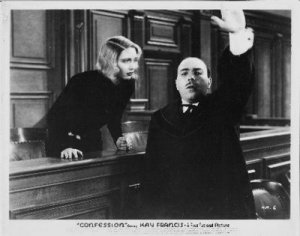 Confession can sure be hokey. Or absurd and unbelievable. It seems to me that confession is a pretty good barometer of how well one’s plot is holding together; if the confession seems funny when it’s serious, or causes eyerolls for the reader, it’s a bridge to far, and that means the plot has gone too far on its own out of solid story territory.
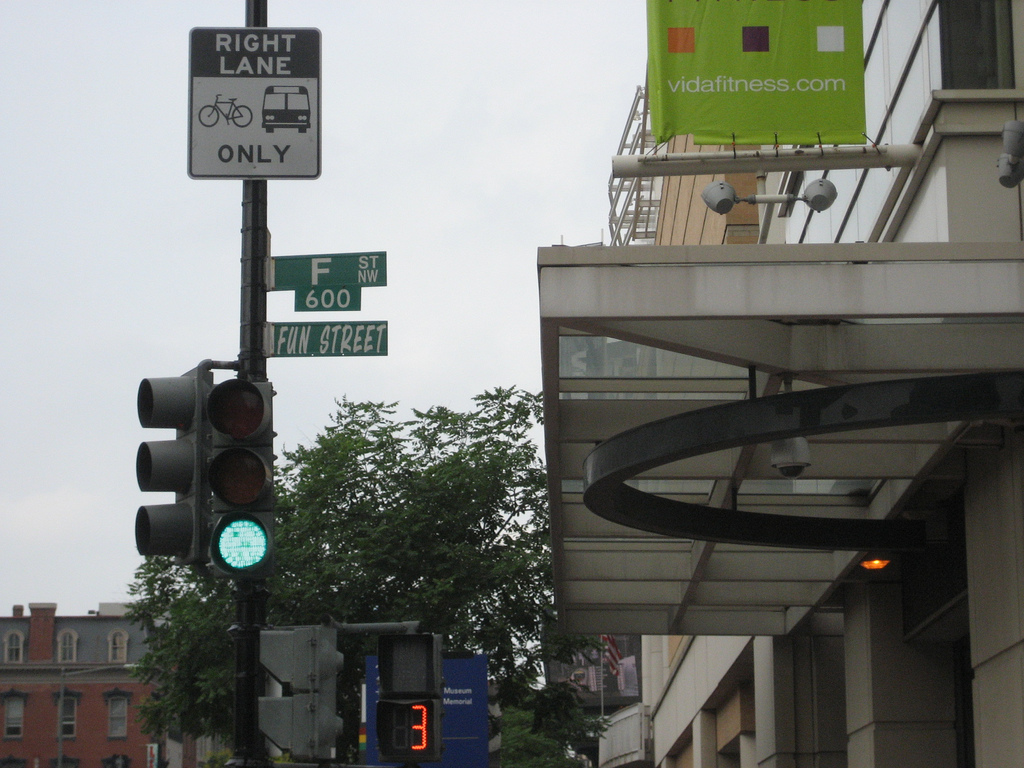 Over the years, the neighborhoods in DC in its northwest quadrant, though they were mostly stable, suffered from a little geography creep. Georgetown, annexed as a town when the District of Columbia was formed, is in the same place, to be sure, but its eastern boundary gets a little fuzzy as it mixes with Foggy Bottom, nearer to the GW University campus. Similarly Chinatown has shrunk a bit along its southern edge of H Street, flexing out more into 6th and 5th Streets, like one of those viscous-liquid-in-plastic-tubing toys that are sold in bins in cheap and touristy stores.
These tiny movements made some otherwise incongruous pairings possible, like the arrival of Fado, an Irish pub, right at the Chinatown arch. Fado was a fun place to go out of a slew of taverns I would never set foot into, because it had very comfortable seating, no smoking, Guinness on tap at the most perfect temperature possible on Earth, and Monday Night Pub Quiz. I will also note here that when Ireland and England met in the championship game of the rugby something-or-other, I was there at 5:30 in the morning to watch it with some coworkers, and I have loved blood sausage ever since.
But Pub Quiz was the place we returned, despite any kind of weather, horrible conditions for parking, and throngs of suit-clad people just leaving the nearby court buildings. There was no limit to the size of one’s team: sometimes I saw 20 people crammed around a chipped, dark wood table, all staring at the picture round’s piece of paper, shouting to each other about what the answers should read. I am amazed at what 15 years and $25,000 in cosmetic surgery can do to change a person’s appearance after having their senior picture snapped.
There also were no restrictions on team names. And since it was DC, a lot of these names tried to incorporate/mock politics. I can recall the following, roughly seven years later: 14,000 Pages and No Character Development (a reference to the report President Bush delivered to the UN to justify invading Iraq), Faceless Bureaucrats (poor sots), It’s Cold as Balls Outside (from one February game), and The Flip-Floppers (I think we all know that reference). We played a full seven rounds of 10 questions each, and the whole enchilada took about 3 hours out of our lives, time during which we collectively drank something like 4 kegs worth of beer, for there were a lot of teams there. I refused to drink more than two pints on any given Monday because hey, I needed my wits about me. But they did come complete with little shamrocks carved into the froth, when the bartenders had enough time to add flourish, that is.
I’m sure Pub Quiz still continues at Fado but as I’m not there, well, I can’t be certain the game is as grand and well attended as it was in the early-to-mid-aughts. I hope it is. The best I ever did with any team I participated was second place, and we were ecstatic just for that, each receiving an official Pub Quiz™ bottle opener. Mine is still on my keychain.
Out here in Seattle they have a trivia game—to be sure, there must be more than one going—at a certain women’s bar in Capitol Hill, the DuPont Circle of Seattle. I’ve been to it in years past, never wanting to miss a chance at plucking useless facts out of the air if I can. But since we’ve moved at the beginning of this month, we’ve gone every week. The first week we came in fourth, the next week it was third, and we’ve moved up one place every time. Third place winners receive a stick figure drawing of their team, which is sweet and a nice touch by the trivia master, who clearly enjoys running this game.
It’s a more straightforward game than the one at Fado, consisting of four rounds with one picture round. And while Fado gave a points update after every round, this game just does a tally at the end. It also doesn’t take the watching-paint-dry-in-the-rainforest time that the Fado game takes, so there’s a plus.
We won the stick figure drawing two weeks into our playing, and were excited to see what we’d get back when we returned the next week. But there was something off about it, and the trivia master seemed apologetic, despite not telling us the story of what had happened.

Well, there we all are, Susanne lecturing, which I’m sure is an accurate representation of how she teaches, our friend Jody looking for civil rights, our Jewish friend being very…Jewish, and me, typing away with, wait a minute! I have no face! I have a hole for a head! What’s up with that?
I inquired, quietly, about the void in the parchment. The trivia master offered apologies, she didn’t have enough time to redraw the picture. That didn’t answer my question, but I ascertained that I wasn’t going to get any closure here. I took the picture, feeling somewhat awkward but not sure why, and showed the rest of the gang. They loved their depictions, and we chuckled, but I think we all, to a greater or lesser degree, wondered what was up with The Hole. It wasn’t just a hole at some random point on the page; it was centered precisely over my face. It was subtle, but not. We forgot about the drawing and settled into that week’s game.
I’d planned, since before we’d gotten our rendering, to get it laminated so we could bring it with us on successive weeks for good luck, and now I figured I couldn’t back away from that just because I wasn’t really in the picture. Don’t make it about yourself, I told myself. But I’d determined that I would get rid of The Hole by setting in a new picture and taping it to the back, so it would show through. I couldn’t just laminate over the The Hole and leave it there for time immemorial.
It just so happened I had to send a fax out, so I took the drawing and The Hole with me, and explained my little project to the clerk at the office supply store.
“Why don’t you have a head,” she asked, mulling over the paper.
“I don’t actually know,” I said. “I don’t like it, though.”
“Yeah, that’s not good,” she said. She brought over white paper and some tape and clipped out a small piece to go on the back.
What I drew made me look a little monkeyish, or at least a bit like George W. Bush, but no matter, it was better than The Hole. My new friend taped it to the back and said the laminating and faxing would take just a few minutes. I walked around the store and looked for the new Sharpie Liquid Pencil, but to my disappointment, I didn’t find it. I will of course communicate to everyone I know when I find it, because it is, apparently, like magic in plastic.
I picked up the laminated art and lo and behold, there I was, smiling at my little typewriter, type type typing away.
“I bet this is your weirdest request of the day,” I said.
“Oh, no, it really isn’t,” she told me. That her eyes opened wide when she said this made we wonder just how far out the normal distribution curve of weird her requests were. Perhaps I don’t want to know.
Last night I made my way back to trivia and brought the laminate with me, The Hole neatly patched. I showed the trivia master, who was thrilled to see someone had preserved her handiwork. I also showed her I’d drawn in a new face for myself, and she told me she’d have done the same, clapping a hand on my shoulder for good measure. Nothing says genuine sincerity like a hand-to-shoulder clap. My teammates were impressed as well, and we giggled about our characterizations.
Then the waitress stopped by our table to take our drink orders. She asked for our IDs.
“Do we really have to show our IDs every week,” I asked, knowing she knew who we were.
“I have to check that they’re not expired,” she said, and then told me that she was going to name me Grumpasaurus Rex, because I was always grumpy.
I certainly didn’t feel grumpy. I just thought that pulling out my ID every week was a little silly, and I happen to have the worst picture on my license known to anyone west of the Mississippi River, so I am not fond of the regular reminders that it exists. But grumpy wasn’t on my list of emotions for that moment. Just a very light irritation, like 1 or 2 on a scale of 10. Hell, 1 or 2 is what DC residents feel just upon waking. It’s not a big deal.
“That’s why I stabbed out your face in the picture,” she went on to tell me, “because you were so snippy the week before.”
Oh my God. The waitress had stabbed out my face? This is why The Hole came into existence? The waitress I take care to be nice to? Thought I was snippy? Snippy doesn’t tip well, I thought. Not the way I tip. And I currently make $14.25 an hour. What on earth?
“I was snippy,” I asked her, trying to understand. Grasping, really, at figuring out what had transpired.
“I wasn’t the only one who noticed,” she said, carrying on this conversation as if it made any sense.
“What did I say? I don’t remember being snippy.” Irritation levels had progressed, rather quickly, to 4.4.
Apparently I’d made some offhand joke about who was serving us our drinks the first week we’d come in, because it was some other server who’d brought them to us. I think it was something along the lines of, “Oh, she’s too good to serve us?”
I see now, living in the anti-confrontational Seattle, how residents might not understand that brand of humor. I would expect just a punch on the shoulder and a command to shut up, and that would be that.
Instead she stabbed out my face on a piece of paper. That just strikes me as worse, somehow, especially as this is supposed to be a professional relationship we’re having. And then it struck me [sic] that there was a two-week time lapse between my supposed offense and the act of bringing The Hole into all of this. And somewhere in between, a conversation had taken place about me and said snippiness, and it was decided by at least one person that stabbing at a piece of paper was an appropriate way to handle whatever discomfort I’d generated in this place of repute. Irritation levels at 6.7. Approaching DC Beltway status.
Then the waitress wanted to “hug it out,” and she brought me a drink on the house, pushing me over my two-drink limit, but I didn’t say anything, lest I look ungrateful. I had, at least, learned the Seattle Solution to conflict. Hugs and pear cider. Through the course of the night, she hugged me no fewer than three times. Perhaps this was some hazing ritual I’d never heard of before.
This was a lot to take in and still get mentally set for the trivia game. I sat back for most of it, contributing but feeling entirely too self-conscious, suddenly not confident that I had any adeptness at interacting with other humans. We tied for first place and then lost the tie-breaker. We came as close as possible to winning without taking the title. It felt like we’d missed an overtime kick.
I brought the Laminated Sheet that Could home with me and put it back on the fridge, where it had lived the last week. My smiling, renovated face looked at me, frozen and translucent.
I don’t care if I look like a monkey.
On the advice of some guy who makes a lot of money blogging and has sold books from podcasting, I made a podcast. This is chapter 1 from Bumbling into Body Hair: Tales of a Klutz’s Sex Change. If it’s something people like, I’ll make more. Otherwise, let’s just pretend this never happened.
 I volunteered to give up eating burgers this summer because I consumed far too many on our last road trip through the US two years ago, and because often, they’re just not that good. They’re overcooked until they resemble hockey pucks, or they’re served with limp lettuce or overly membrane-y onion slices, they’re on Goldilocks-like, ill-fitting buns, and they’re almost never the right temperature. There are a lot of things, it seems, that can go wrong with preparing a burger. And here I thought I was ordering something everyone knew how to make.
So we said we’d forgo the burgers on this go-round, and I found myself eating a lot of chef’s salads, even though one table of manly men in South Dakota looked at me like I was nuts, or on a dare—something. Why is that big guy eating a pile of lettuce, they looked like they wanted to ask. I wasn’t about to elaborate, because really, where does the story end? It would be like unraveling a sweater on a slippy slope way over the line.
August rolled around and our vacation was over, noted with distinction by the piles of boxes we unpacked in our new but temporary digs. Nobody knows what to call this neighborhood. Owners of several real estate developers are trying to establish the “South Lake Union” moniker, but old-looking signs dotting the streets around here call it the “Cascade neighborhood,” and some of the folks who have lived here a while and I’m not talking about the ones who live in the lofts that supposedly promote creativity, they simply call it “Eastlake.” Thus I have no earthy idea where we live, except to say that we’re in Seattle proper. And there is a big highway right next to us, so as a fan of white noise, it’s close to perfect over here.
One of the things I wanted to do when we showed up in la citie grande was find some good places to eat. After all, in Walla Walla, if one craves Indian cuisine, one needs to master cooking it oneself or make friends with a fine lady named Shampa. There may be some Chinese restaurants in town, but locals will tell newcomers right away that they should never, never eat there. Two restaurants of Thai persuasion are available, but neither of them provide good service or, for that matter, great Thai. So now that we have access to places that make belly-filling Ethiopian, luscious and spicy Nepalese, or experimental gastronomy items, we figured we should try them out.
Because Susanne had been there once before, several years ago, we went to Baguette Box on Capitol Hill with a friend from out of town, and it was lovely. A small space, very casual but still in the universe of “bistro,” they proclaimed their love of grass-fed, organic meats but also offered vegetarian sandwiches. Most things except the frites and the beet salad came on fresh, still-warm baguette, so thank god they believe in truth in advertising. Although they were busy we received our sandwiches quickly: lamb with cucumber yogurt sauce, pork belly with cilantro and hoisin, and pork loin with carmelized onions and apricot aioli. All were thoroughly delicious, cooked perfectly, and decadent. We also ordered the beet salad and the frites. As far as French-style, shoestring fries go, these were crispy and tender. The beet salad, on the other hand, was pedestrian and lacking the same interesting flavor combinations of the sandwiches. We will definitely return for more. I’m eying the drunken chicken sandwich and the eggplant and feta. (Baguette Box, 1203 Pine Street, 206.332.0220)
Last week I went with Susanne to Blue Moon Burgers, over near our place, just off of Fairmont Avenue. If we were going to have burgers again, we wanted it to be in a place that made them their core business. Friendly atmosphere, boasting of meat from Walla Walla’s own Thundering Hooves ranch—more sustainable and organic goods. I don’t quite bristle at the thought that I had to drive 230 miles for these burgers but hey, I shop direct at their store on East Isaacs when I’m living in Wallyworld, so it’s okay. And I’m glad to see other folks in the Northwest seek them out. It’s one thing to read about it in the Thundering Hooves newsletter, but another thing entirely to watch it in action. Exciting stuff! Burgers is a broader category here than just ground beef; Blue Moon Burgers also features vegetarian and vegan patties, turkey, and the very Seattle salmon burger. Also, they have gluten-free buns, and since I know no fewer than five people with gluten allergies, I’m glad to see this little accommodation for them.
Problem was, it took us 50 minutes to get our food. Blue Moon has a order-at-the-counter-we’ll-bring-it-to-you business model, in which patrons pick up a number to set on their table while they wait. Drinks are self-serve. This means that we were on our 2.5th serving of root beer by the time the staff came by with our meal. I am not fond of this serving method to begin with, as the wait staff don’t know in advance where on has ventured, and so must spend some amount of time, bordering on copious, assessing one’s location. It seems wildly inefficient to me, and yet I encounter the practice more and more often.
So, for the burgers. I ordered a bacon cheeseburger and Susanne got a burger with blue cheese. We got a combo order of onion rings and fries to share. By the time our food reached us (other patrons were complaining at their tables, too) the fries were entering tepid stage, but these were made warm by the two onion rings placed lovingly on top. Seriously? Two onion rings? That’s a combo? Our gluten-riddled buns had been over heated on the bottom so that they were semi-stale, and they were way bigger than the burgers inside. Picture a lone toddler in a kid’s public pool. Neither burger had been cooked to order, but otherwise they were tasty, but to risk sounding like an ass, I chalk that up more to Thundering Hooves than anything that occurred in the kitchen. Truth be told the burger needed to be amazing to justify the near-hour wait, and it wasn’t anywhere near amazing. Susanne says she plans to go back because it was clear they were understaffed, but money is tight for us, so when I go out I want to feel like it was worth parting with the bills in my wallet. One solution: they have online ordering, so burgers are ready for a later pick up. (Blue Moon Burgers, 2 locations, 206.652.0400)
Walla Walla, fortunately for them, has a mom and pop doughnut shop, called Popular Donuts, which is one street over from Poplar Street. Hence, everyone calls it Poplar Donuts and as people who know me can imagine, this drives me nuts. Nobody gets “public” and “pubic” wrong, do they? As it happens, they’re really good doughnuts, and they’re old school. No gimmicks, no fancy flavors, no branding, just good confections and seriously tasty, cheap coffee. There are always a couple of older people on the six seats inside talking about Very Important Matters, and I’ve realized over the years that their presence indicates good, affordable food.
Out here in the Emerald City are several different doughnut-creating operations, one of them being Top Pot Hand-Forged Doughnuts. They seem to be venturing into ubiquitous territory, with locations at Qwest Field, and other stadiums, designated official doughnut of the Seahawks and Sooners (take that, Redskins!), and having signed some new agreement with Starbucks. Starbucks, people. That’s pretty big time, I suppose, in the hole-in cake world.
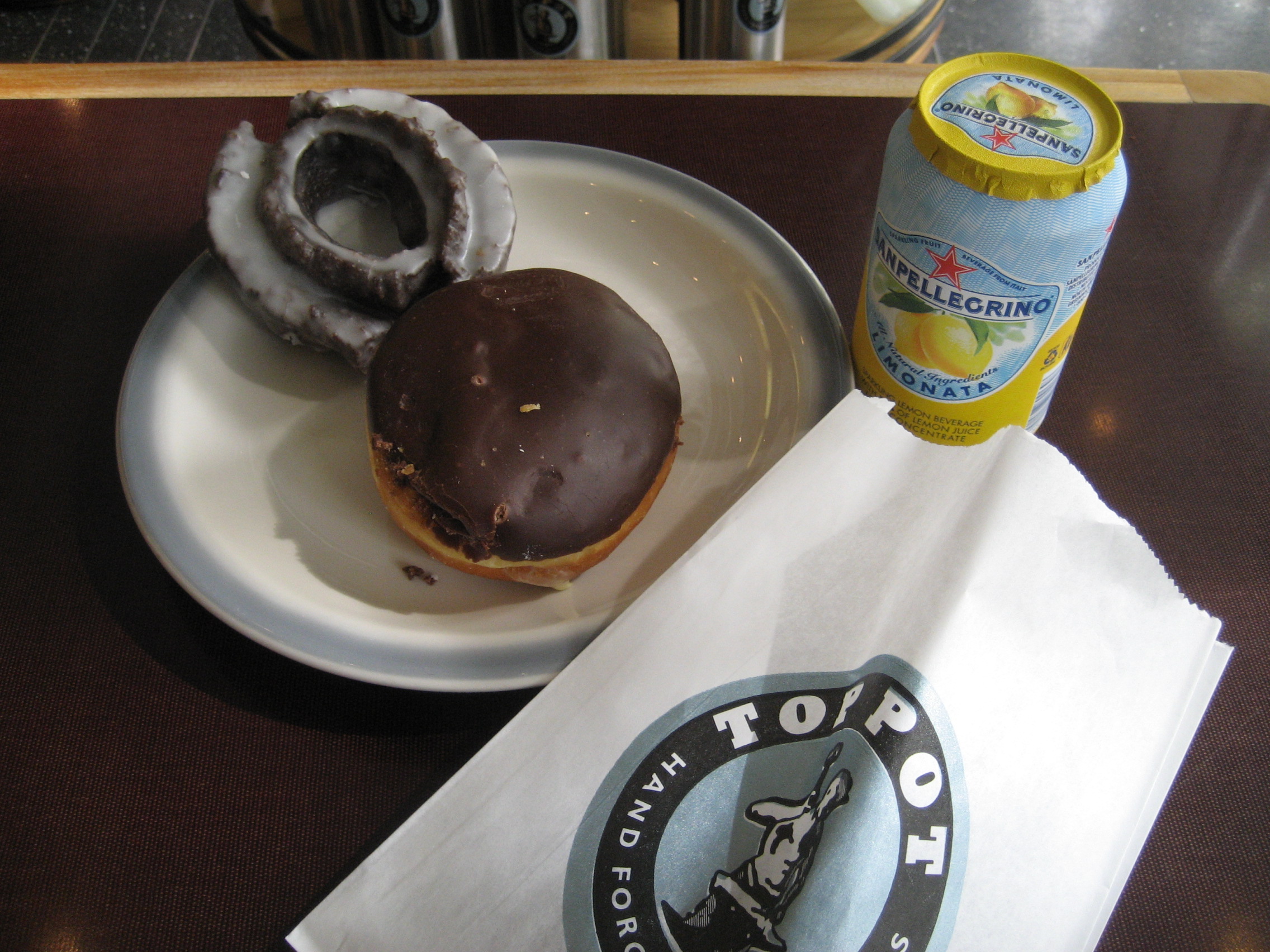
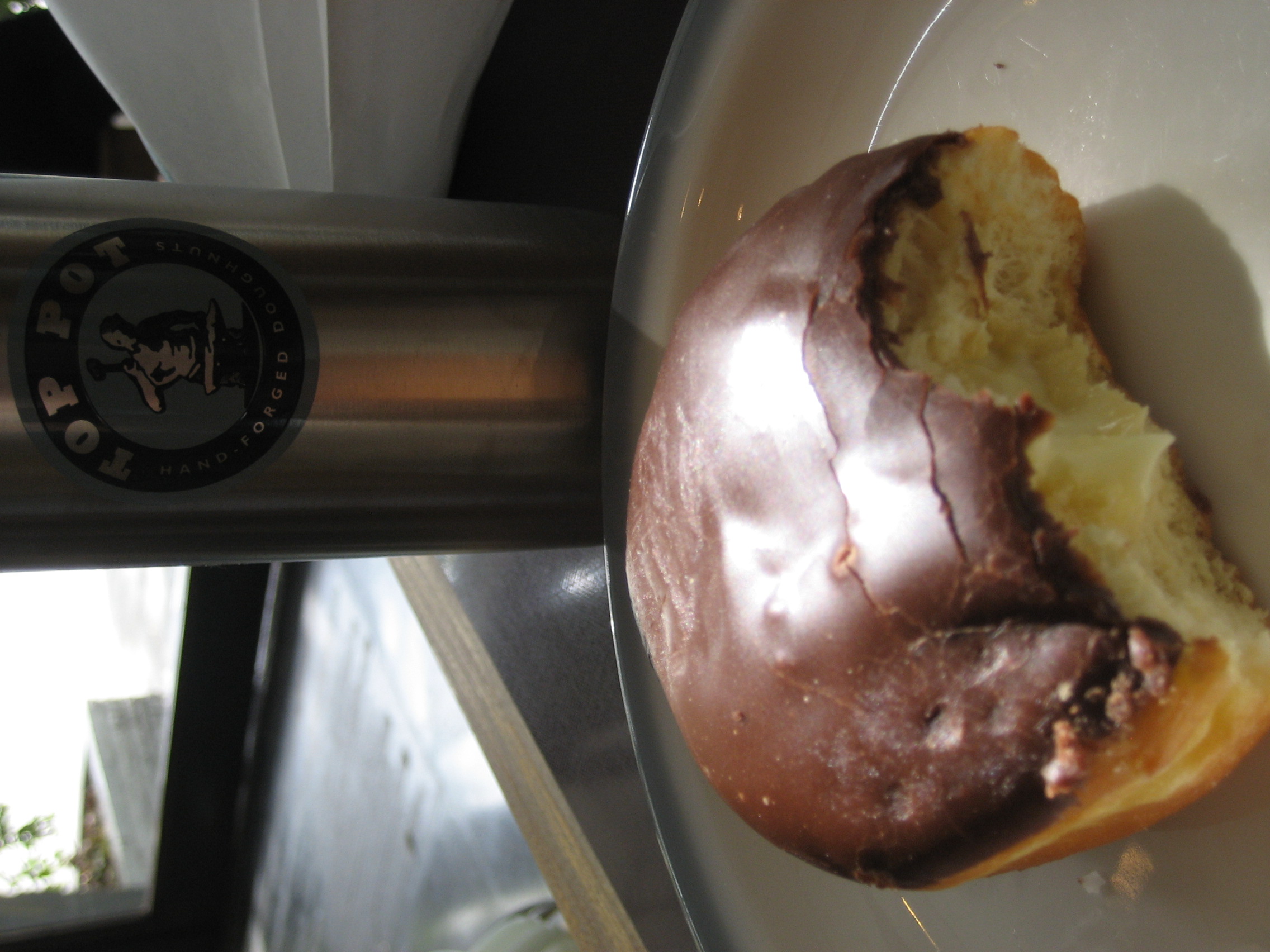 We walked over to the location by the monorail (still ferrying 30 people a day since the 1964 World’s Fare, folks, get your ticket today) and sampled four doughnuts: glazed chocolate cake, double chocolate, chocolate glazed cruller, and my all-time, number-one favorite doughnut, the Boston cream. I held off on the cream until last, like hoping for a big climax to a fireworks show. I should say here that all of the service staff at these places are ridiculously friendly, even as they’re serving hour-late burgers. The doughnuts were delightful. Hot damn, they were very good. The old fashioned, cakey doughnuts had a bit of nutmeg in them and even a hint of lemon extract, a detail that we appreciated. But the Boston cream stole the whole show. Yeasted unbelievably well, it defied descriptions of its texture. It was buttery, light, but dense next to the Bavarian cream, moist, vanilla-infused, it was amazing. The chocolate sauce wasn’t a careless artifact from a Hershey’s bottle, but also nuanced and almost a little nutty. And the cream was thick, mouth-coating, and really fresh, a great friend to the other parts of the doughnut. I was also happy, at least initially, to see how much was inside the cake; no skimping going on at Top Pot.
We suffered a tremendous sugar-crash after our walk home. So I recommend not eating two in one sitting. But we’ll be back for more nibbles, I’m sure. (Top Pot Doughnuts, several locations, downtown phone 206.728.1966)
Need I say how grateful we are to be in Seattle? There are a lot more places to check out and people to meet. And even so, we’re definitely missing our friends in DC and Walla Walla.
 On the surface, it’s easy to see how a big city like DC would differ from a small town like Walla Walla. (Hint: no tumbleweeds in DC.) And it’s probably not hard to identify areas of similarity. (They both have a lot of hot air.) And yet there are things that less identifiably, mark a place as its own, where the limitations of its geography, its people, its culture, draw lines over the topography, creating and precluding the universe as the residents know it.
Just as an example, one plucked out from the gazillions of vying possibilities, is how one disposes of large items, such as furniture. For people living in apartment buildings, trash chutes are right out, but so are Dumpster containers, usually because it’s illegal to clog them up with furnishings (mattresses may be an excepted item in some cases). In DC, one is supposed to call the city waste department and set the item on the curb for pickup, when they tell one to do so. In other words, people have to schedule their own trash removal.
When we were getting ready to move out of our District apartment and relocate across the entire country, we made a decision to leave behind a chair and some of our crappy IKEA furniture (sorry IKEA, but it’s true; your designers have never met a particleboard they didn’t like). The pressed wood collection could get broken down and put in the Dumpster, so that wasn’t a big deal, but we had an upholstered chair that wouldn’t be coming, either, and that was too damaged to sell at our yard sale. This thing, while still comfortable, really had been tasked as a collection spot for whatever clothes I stepped out of at the end of the day but that were still clean enough to wear another time. I hate that gray area of clothing, by the way. I’d rather my outfits smell only of detergent and not be mixed up with my vague scent, whatever the hell that is, and the odors of wherever I’ve been that day. Generally speaking, I don’t need any memory of deep-dish pizza three days after I’ve made the mistake of consuming it.
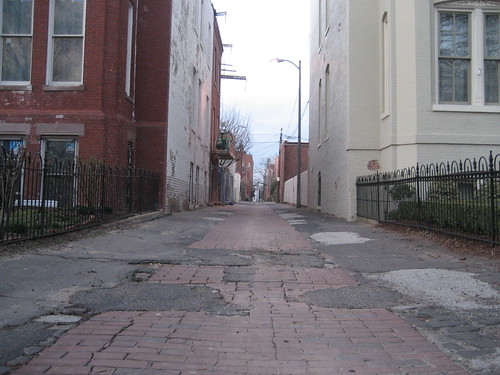
I called the city waste department, as I was legally obligated to do so, and told them I had a chair to discard. I wasn’t expecting them to be happy about it, but the clerk on the phone seemed pleased enough that anyone gave enough of a crap to follow the city procedure. She gave me a date with chair death and I marked my calendar. So imagine my surprise when I headed out to my car for work the next morning after setting out the poor chair.
There was a note pinned to it. A nastygram, for me.
I don’t remember much what it said anymore, but it was angry, and reading it made me angry, too. It was a magnet to angry—something about me needing to take the chair to the garbage container in the back of the building and not littering here on the street. I looked around. The chair was still on the grass—the treelawn, as Ohioans call it—so it wasn’t impeding any sidewalk traffic. It certainly wasn’t littering. And the note, such as it was, held illegal instructions. Certainly I could clear this up with just a little edification-slash-clarifications. “Cations” were definitely needed here.
Already called for DC Waste to pick up. Leaving in Dumpster is illegal in DC.
Inside of three minutes and the horrible crawl toward my office, I forgot all about the pissed off note.
I came home and the chair was still there, even though the garbage had been cleared. Maybe DC didn’t have enough room in their truck? It had rained at some point that day, and the chair looked particularly forlorn. It also still had its note with my addendum, but it now bore a new codicil:
Move this fucking chair to the garbage.
Whoa. Seriously, I couldn’t believe someone would throw a gasket over this. All of the trials in the world and this little off-white, ugly flower print chair is the cause of such distress? How about the tsunami victims? That we were in Iraq, killing and dying by the thousands? How about Robert Downey Jr.’s drug troubles? Go tilt at those windmills, angry person! And I had already said leaving it in the Dumpster wasn’t kosher. I looked around at the windows to my apartment building and the one across from us, with which we shared a walkway off the street. Paranoia crept into my arteries, flooding my brain with terrible ideas, and the fear that they were watching me right now, read their evil missive. It was like a Poe story, and I could hear my own blood flow. I reached for a pen in my bag, and wrote on the wet paper about what they could do with and to themselves.
A couple of mornings later, the chair had been thrown in the Dumpster. DC came along and took all of it with their next pickup. I had been totally irrelevant to the process, whatever process there was. But I did take it as a sign that it was time to leave DC.
Fastforward to our stint here in Seattle. It is a continent away from DC. The drivers in each commute of the day are just as awful, and hampered by a strange stitching of on ramps and exits that make I-5 more of a crawling experience than a commuting one. But overall the people are much less prone to being nasty and uptight. Although it’s counter-intuitive, it seems to be due in part to all the caffeine they consume here, but I’m not an expert, of course.
Twelve days into living here, our phone rang, and it was the circulation department of the Seattle Times newspaper. Now, I am a big fan of newspapers, because they’re active organizations that don’t know they’re extinct yet. I’ve also stood in front of the old Washington Post presses on H Street—they’re no longer there, sorry to say—and to watch a newspaper press the size of a city block is an experience every person should have, because it is amazing. It’s the real steampunk, right there: all those knobs and cylinders and gears and moving metal, each part producing its own little noise that together, creates a symphony of sound and then! Then there is a folded series of paper all together, at the end.
I also firmly believe that reading a city’s paper is to catch a glimpse of what that city is about. Of course things are prioritized by editors and reporters, but what there is to tell comes out of the city itself, which people are here and which words they emanate, and why these stories were picked for the telling—I enjoy parsing through all of that. And then I’ll hunt for the unsaid and the untold, and the alternative version. But I do like to start with the paper.
So I said yes to the caller, send me your paper at the Sunday price only, and I’ll be happy to add a tick mark to your sales for the week. I gave him the address, he who now sounded really super pleased that somebody said yes to him, and to the frown on the face of my wife, who would never read a newspaper on actual paper if she could read it online for free. I don’t think she ever watched the WP press machine.
Now then, I’ve been staying up late these days, writing, getting in my daily dose of Bejeweled Blitz, and reading up on the publishing market, so I haven’t been waking very early. Maybe 8:30 or 9. Then I’m banging out blog posts, checking through email, doing my grant writing work, and later, taking my shower, probably around 10 or 11. I write all of this down not so my mother will know when it isn’t a good time to call, but to explain that for the betterment of the common area in my apartment building, I like to stay inside until I’m freshened up, or at least showered and smelling vaguely of pizza. So I might not reach for the Seattle Times until noon.
Three times now, it hasn’t been out there. Someone has been stealing my paper.
When I realized this, I took some time to digest it. For some while, people have been living here and making their way with no physical newspaper in their midst. Nobody gets the Times except me, because only one ever appears (I have been up early enough to hear the delivery on a couple of days). So for all these many weeks, months, and years, people have gone about their business, and then one day, a newspaper shows up. What about that change in their universe tells them it’s okay to abscond with it? It clearly isn’t theirs. On what basis or set of expectations that I don’t know about do they then make off with my paper?
I felt the sting of that angry chair note all over again. It seized me, like a masked marauder, demanding my negative emotion, and I handed gobs of it over. Thinking about what I would do all day, yesterday, my chance spoiled for knowing what wine Seattlites were talking about, the list of Wednesday night movie times all over the city, the latest comic from Non Sequitur, I glowered and grumbled, and finally, at long last, wrote a note. And I was, in my opinion, beyond polite:
Please stop stealing my paper. If you want one, you should subscribe. Thanks.
I said please and thank you. I was moderately shaming, yes, but I gave the thief another option for better behavior (subscribing) and I gave a thumbs up to the circulation department (subscribing again). I hoped this wouldn’t start another feud. I taped my note to the front door at 9:30PM, then sneaked back into my apartment.
This morning, I got up at 8, threw on some sweats and a ball cap, and went to the door, trying not to flinch in anticipation of anger magnet.
The sign was gone. My paper was there.
This is Seattle.


 Trans/plant/portation